

Tesco has launched a new campaign to help consumers to tackle their food waste.
Partnering with Unilever’s Hellmann’s brand, Tesco’s ‘Use Up Day’ aims to encourage UK households to, at least once a week, use food they already have when cooking
A nationwide survey commissioned by the retailer found that half a million Britons are throwing away food every day – over three quarters of UK households (77 per cent) say that they throw away unopened or unused food and more than a third (37 per cent) do so on a monthly basis.
According to the survey, 61 per cent of households plan carefully, only buying food that is necessary, and 45 per cent want to take steps to reduce the amount of food they waste at home. Tesco’s research found that lack of time, planning and understanding about what households can cook, and by when, prohibits these plans.
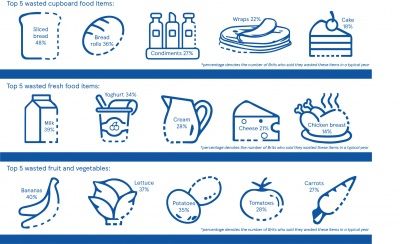
Working with WRAP, Tesco estimated that the average British family is wasting approximately £800 worth of edible food a year. Certain staple items were listed by the company as most frequently discarded, including bread, bananas and milk.
A recent study by Hellmanns found that the average family could reduce the amount of food thrown away at home by a third, and save around a third of waste per year, by enforcing ‘Use Up Day’. It determined that this figure equates to a potential financial saving of £260 per year.
Tesco has offered various resources for consumers including a ‘Use Up Day’ guide to help families find a suitable day, and recipes that make use of commonly thrown away ingredients. A new tool labelled the ‘Tesco’s recipe finder’ allows consumers to input their spare, leftover or unused ingredients and find suitable recipes.
A ‘food waste hub’ was also announced alongside Tesco’s campaign, incorporating ‘money saving tips’ and advice on batch-cooking that is freezer friendly.
In the UK, it is estimated that 71 per cent of food waste happens at home. A study conducted by FareShare in 2021 claimed that food waste would be the third largest emitter of carbon globally, were it a country.
Last month, ‘Love Food Hate Waste’ released the results of its annual survey on household food waste behaviour, focusing on ‘UFOs’ – unidentified frozen objects. According to the campaign, these items are at risk of waste, with 19 per cent of people reporting that they have thrown something away in the past two weeks because it has laid dormant in the freezer for too long.
Kené Umeasiegbu, Campaigns Director from Tesco said: “No one sets out to waste food but all too often hectic lifestyles, changing plans or just plain forgetfulness can mean good food ends up in the bin and money down the drain.
“We recognise that lack of time and the perception that you need to be a skilled cook can be a barrier to taking action. It’s why a ‘Use Up Day’ is straightforward and easy to implement – using recipes that are quick, tasty and help you make your food go further today.”
Commenting on the campaign announcement, Mark Breen, Senior Creative Partner at environmental charity Hubbub, commented: “It’s great to see Tesco and Unilever launch the ‘Use Up Day’ campaign to help people eat everything they buy. This campaign is being launched at the perfect time. Spiralling food and energy costs mean we’ll all have to look out for simple tips and hacks to save some cash. Reducing our food waste by shopping our kitchens keeps delicious food on the table, cash in our pockets and at the same time we can do our bit for the planet.”
Catherine David, Director of Collaboration and Change, WRAP also said: “The average UK household wastes eight meals a week - wasting food costs money and feeds climate change. Food businesses can really help shoppers reduce the amount of food ending up in the bin, through simple changes like the one being championed by Tesco and Unilever. Less food wasted means more money in people's pockets, and a lower carbon footprint – a win-win for people and planet!”


Get our weekly digest
resource.co article ai

How will the government and DMOs address the challenges of including glass in DRS while ensuring a level playing field across the UK?
There's no easy solution to include glass in the DRS while maintaining a level playing field. Potential approaches include a phased introduction of glass, potentially with higher deposits to reflect its logistical challenges. The government and DMOs could incentivise innovation in glass packaging design and subsidise dedicated return points for glass-handling. Exemptions for smaller businesses unable to handle glass might also be necessary. Any successful solution will likely blend several approaches. It must address the differing priorities of devolved administrations, balance environmental benefits with logistical and cost implications, and be supported by robust consumer education campaigns emphasizing the importance of glass recycling.