

New research conducted by scientists at Groningen University, the Netherlands Organization for Applied Scientific Research and Plymouth Marine Laboratory has found that microplastics from textiles may inhibit the lung’s ability to repair damage caused by conditions such as Covid-19.
The new findings, released today (24 February) through the Plastic Health Channel, have found that both nylon and polyester negatively affect the growth and repair of airway tissue.
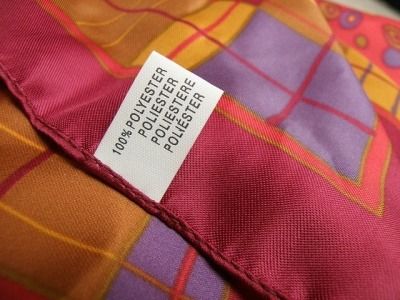
Scientists involved in the study have warned these microfibres may make it more difficult for those with Covid-19 to repair their lungs, as well as presenting a potential health risk to those with developing lungs, such as children.
Professor Barbro Melgert, Principal Investigator of the Research, said: “A virus damages the lungs, so you need repair, and if your lungs are filled with fibres that are inhibiting this repair then you are in for another problem in addition to COVID-19.”
Research was completed by exposing airway and air sac organoids lungs to nylon and polyester microfibres across 14 days to determine their impact, using fibres small enough to be inhaled. Scientists focused on polyester and nylon as they are the most abundant material in indoor settings.
The results found that microplastic textile fibres may especially harm developing airways or airways undergoing repair.
Commenting on the findings, Ocean Clean Wash campaigner Laura Díaz Sánchez warned the results are a concern for the amount of microfibres found mainly in clothing and through shedding during washing.
She said: “More than half of the clothes we wear are made of materials like polyester.
The problem with clothes made from materials such as polyester, with fibres which are short and spiky, is they get released much easier and then they are up in the air in this dust.”
The Plastic Health channel profiles recent research that studies the impact of plastic on human health.
The channel launched last month, with a report on a recent study that found children are being exposed to toxic microplastics in outdoor areas and sporting facilities such as playgrounds and equestrian arenas.


Get our weekly digest
resource.co article ai

How will the government and DMOs address the challenges of including glass in DRS while ensuring a level playing field across the UK?
There's no easy solution to include glass in the DRS while maintaining a level playing field. Potential approaches include a phased introduction of glass, potentially with higher deposits to reflect its logistical challenges. The government and DMOs could incentivise innovation in glass packaging design and subsidise dedicated return points for glass-handling. Exemptions for smaller businesses unable to handle glass might also be necessary. Any successful solution will likely blend several approaches. It must address the differing priorities of devolved administrations, balance environmental benefits with logistical and cost implications, and be supported by robust consumer education campaigns emphasizing the importance of glass recycling.