

INEOS Styrolution, one of the world’s largest polystyrene suppliers, has partnered with the waste transformation specialist Tomra and recycling company EGN Entsorgungsgesellschaft Niederrhein (EGN) to make food grade packaging out of polystyrene recycling.
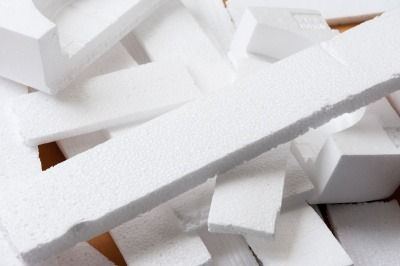
EGN is set to build a new mechanical recycling facility in Germany that it hopes will be capable of processing 40,000 tonnes of post-consumer polystyrene waste per year. It is expected to open in mid 2025, and will be the first commercial facility of its kind.
The partnership will find EGN sorting and washing the polystyrene waste, while INEOS handles the purification process necessary to meet European Food Safety Authority (EFSA) food-packaging standards.
Polystyrene waste and sorting technologies will be provided to the facility by Tomra, who’s Managing Director, Jürgen Priesters, commented: “We are proud to contribute to this first commercial-scale polystyrene mechanical recycling facility for food contact applications. Polystyrene has the right composition to be recycled mechanically for food applications. The mission of Tomra Feedstock is to keep polystyrene in true circularity.”
Polystyrene is currently one of only two polymers that can be recycled into food packaging through mechanical processes. It has a low rate of contamination and can be reprocessed multiple times, making it ‘the material of choice for real circularity’ according to INEOS Styrolution.
Together, the companies hope to release a significant percentage of their recycled material shortly after opening the facility, and that investment and scaling in commercial polystyrene recycling will follow, leading to a growing market share.
Steve Harrington, CEO of INEOS says: “This is an exciting step forward for our industry. Our three companies bring complementary expertise to this project, and because of this unique collaboration, we will be able to provide customers [with] high-performing circular polystyrene produced at a significantly lower carbon footprint. Already, we are seeing high interest from customers and brand owners to secure long-term contracts.”


Get our weekly digest
resource.co article ai

How will the government and DMOs address the challenges of including glass in DRS while ensuring a level playing field across the UK?
There's no easy solution to include glass in the DRS while maintaining a level playing field. Potential approaches include a phased introduction of glass, potentially with higher deposits to reflect its logistical challenges. The government and DMOs could incentivise innovation in glass packaging design and subsidise dedicated return points for glass-handling. Exemptions for smaller businesses unable to handle glass might also be necessary. Any successful solution will likely blend several approaches. It must address the differing priorities of devolved administrations, balance environmental benefits with logistical and cost implications, and be supported by robust consumer education campaigns emphasizing the importance of glass recycling.