

A new OECD report, ‘Global Plastics Outlook: Policy Scenarios to 2060’, has found that by 2060, the amount of plastic waste produced globally is set to triple. It estimates that around half will end up in landfill and less than a fifth will be recycled.
According to the report, if there is no ‘radical action’ to curb demand, increase product lifespans and improve waste management and recyclability, plastic pollution is set to rise with an ‘almost threefold increase’ in plastics use. The organisation expects this rise to be driven by rising populations and incomes.
OECD’s report adds that almost two-thirds of plastic waste in 2060 will be from short-lived items such as packaging, low-cost products and textiles.
In the absence of ‘bold’ new policies, the organisation also reports that global plastics consumption may rise from 460 million tonnes (Mt) in 2019 to 1,231 Mt in 2060 in the – a ‘faster rise than most raw materials’.
In developing and emerging countries in Africa and Asia, this growth will be fastest. However, the report highlights that OECD countries will produce more plastic waste per person (238 kg per year on average) in 2060 than non-OECD countries (77 kg).
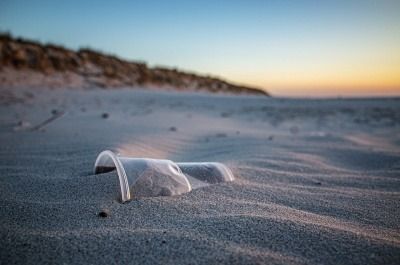
Globally, plastic leakage to the environment is seen doubling to 44 Mt a year, while the build-up of plastics in lakes, rivers and oceans will more than triple, as plastic waste balloons from 353 Mt in 2019 to 1,014 Mt in 2060.
Larger debris, macroplastics, are identified in the findings as the cause of most pollution, yet the leakage of microplastics (synthetic polymers less than five mm in diameter) from items like industrial plastic pellets, textiles and tyre wear was also highlighted as ‘a serious concern’.
Projected rises in plastics consumption and waste are expected to occur, despite OECD anticipating an increase in the use of recycled plastic, from manufacturing new goods as well as technological advances and sectoral economic shifts – this could mean an estimated 16 per cent decrease by 2060 in the ‘amount of plastic required to create USD 1 of economic output’.
The share of successfully recycled plastic waste may rise to 17 per cent in 2060 from nine per cent in 2019, says OECD. Simultaneously, incineration and landfilling will continue to account for around 20 per cent and 50 per cent of plastic waste respectively.
Plastic that evades waste management systems – ending up instead in uncontrolled dumpsites, burned in open pits or leaking into the soil or aquatic environments – is projected to fall to 15 per cent from 22 per cent.
Mathias Cormann, OECD Secretary-General, said: “If we want a world that is free of plastic pollution, in line with the ambitions of the United Nations Environment Assembly, we will need to take much more stringent and globally coordinated action.
“This report proposes concrete policies that can be implemented along the lifecycle of plastics that could significantly curb – and even eliminate – plastic leakage into the environment.”


Get our weekly digest
resource.co article ai

How will the government and DMOs address the challenges of including glass in DRS while ensuring a level playing field across the UK?
There's no easy solution to include glass in the DRS while maintaining a level playing field. Potential approaches include a phased introduction of glass, potentially with higher deposits to reflect its logistical challenges. The government and DMOs could incentivise innovation in glass packaging design and subsidise dedicated return points for glass-handling. Exemptions for smaller businesses unable to handle glass might also be necessary. Any successful solution will likely blend several approaches. It must address the differing priorities of devolved administrations, balance environmental benefits with logistical and cost implications, and be supported by robust consumer education campaigns emphasizing the importance of glass recycling.