

The UK Government has today (10 March) launched a consultation on a legally binding statement to be drafted into the Environment Bill, made up of five environmental principles, which will commit it to ‘building back greener’.
The principles are made up of the integration principle, the prevention principle, the ‘rectification at source’ principle, the ‘polluter pays’ principle and the precautionary principle.
The integration principle will ensure policymakers look for opportunities to embed environmental protection into other fields of policy that impact on the environment.
The prevention principle seeks to guarantee that government policy will prevent, reduce or mitigate environmental harm.
The ‘rectification at source’ principle aims to tackle environmental damage at its origin if it cannot be prevented.
The ‘polluter pays’ principle will ensure that those who cause pollution or environmental damage are responsible for mitigation or compensation.
The precautionary principle targets threats of serious or irreversible environmental damage, stating a lack of scientific certainty should not be used as a reason for postponing cost-effective measures to reduce environmental harm.
The consultation will seek views on how the statement can be interpreted and proportionately applied.
With the UK hosting the COP26 climate summit later this year, the statement aims to guide ministers across Government departments towards opportunities to prevent environmental damage while supporting innovation and sustainable development.
The consultation succeeds the Brexit transition period, which ended on 1 January 2021, as the Government strives to ensure the UK’s environmental protection laws are not affected by the country leaving the European Union.
The Government has stated that, as a baseline, the EU’s existing environmental law will be transposed into UK law. The proposed principles are aiming to further strengthen the UK’s mechanisms for environmental protection.
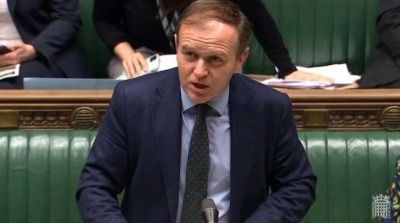
Environment Secretary George Eustice said: “We want to embed the environment in the design, development and delivery of the Government’s work.
“Our environmental principles are essential, and will ensure that ministers across Whitehall are guided to not just protect the environment, but tackle problems at their origin.
“This will deliver our pledge to leave the environment in a better state for future generations.”
You can respond to the consultation on the Defra website.


Get our weekly digest
resource.co article ai

How will the government and DMOs address the challenges of including glass in DRS while ensuring a level playing field across the UK?
There's no easy solution to include glass in the DRS while maintaining a level playing field. Potential approaches include a phased introduction of glass, potentially with higher deposits to reflect its logistical challenges. The government and DMOs could incentivise innovation in glass packaging design and subsidise dedicated return points for glass-handling. Exemptions for smaller businesses unable to handle glass might also be necessary. Any successful solution will likely blend several approaches. It must address the differing priorities of devolved administrations, balance environmental benefits with logistical and cost implications, and be supported by robust consumer education campaigns emphasizing the importance of glass recycling.