

Bright Green Plastics has invested a seven-figure sum into upgrading its facility with new innovative washing and extruding machinery, allowing for the increased recovery of post-consumer plastic waste.
The Yorkshire-based recycling firm recovers and repurposes discarded plastic, processing more than 40,000 tonnes of the UK’s plastic waste every year.
The firm’s new wash plant is designed to shred, wash, purify and granulate post-consumer waste into ready-to-recycle flake product.
Processing up-to five tonnes per hour, the machine recycles all its own water and will produce the firm’s purest ever polypropylene (PP) and polyethylene (PE) flake.
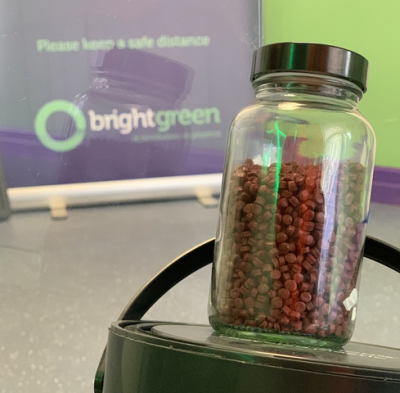
The upgraded extruder is designed to melt the disused plastic and transform it into recycled pellets, ready to be put back into the manufacturing cycle. It will process up to three tonnes of PP and PE plastic per hour, and allow the firm to work with material previously too difficult to handle, such as flexible plastics.
Bright Green Plastics state that with this ongoing research, development and investment, they can recycle plastic that matches the quality and performance of virgin plastic.
With the introduction of this new equipment this year, the firm’s reprocessing capacity is expected to increase by two-thirds.
Both machines are set to be fully operational by the end of the year. They come in time for the EU's new packaging levy and the looming UK plastic tax, which will be applied to manufactured or imported plastic packaging that does not contain at least 30 per cent recycled material.
On the capacity for the new machinery to meet the proposed plastic levies and taxes, Steve Spencer, Managing Director at Bright Green Plastics, commented: “The EU and UK plastic tax may be welcome, but it’s also common knowledge that the UK’s capability to produce recycled plastic compounds is currently under capacity.
“With continued investment into new technology and equipment, we’re working towards bridging that gap.”


Get our weekly digest
resource.co article ai

How will the government and DMOs address the challenges of including glass in DRS while ensuring a level playing field across the UK?
There's no easy solution to include glass in the DRS while maintaining a level playing field. Potential approaches include a phased introduction of glass, potentially with higher deposits to reflect its logistical challenges. The government and DMOs could incentivise innovation in glass packaging design and subsidise dedicated return points for glass-handling. Exemptions for smaller businesses unable to handle glass might also be necessary. Any successful solution will likely blend several approaches. It must address the differing priorities of devolved administrations, balance environmental benefits with logistical and cost implications, and be supported by robust consumer education campaigns emphasizing the importance of glass recycling.