

The new Envirobank 310-litre unit is the latest addition to Leafield Environmental’s Envirobank recycling bin range and features a dual aperture to collect different recyclables in its two 155-litre wheeled bins.
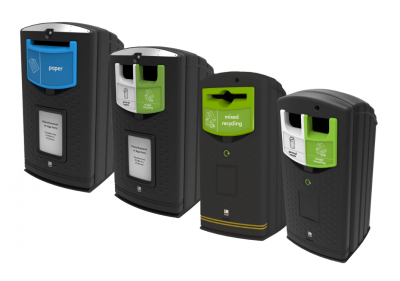
The Envirobank recycling bin range is designed to collect single or multiple recyclables in highly populated areas.
The bins have been used in many national recycling campaigns as high-volume recycling units. The range is available in four different unit sizes, including a 140-litre unit, 180-litre unit (spilt), 240-litre unit and the new 310-litre unit. All the units are available to collect a variety of waste materials.
The units are also designed for durability with an enhanced double wall structure and anti-fly dimpled surface to withstand all weather conditions and the standard unit colour black is made from 100 per cent recycled material – subject to availability.
The Envirobank recycling bins are labelled with WRAP-compliant coded labels to help avoid contamination. An optional A3 poster frame, bespoke colours and personalisation of labels are available upon request.
Visit the Leafield Environmental website for more information.


Get our weekly digest
resource.co article ai

How will the government and DMOs address the challenges of including glass in DRS while ensuring a level playing field across the UK?
There's no easy solution to include glass in the DRS while maintaining a level playing field. Potential approaches include a phased introduction of glass, potentially with higher deposits to reflect its logistical challenges. The government and DMOs could incentivise innovation in glass packaging design and subsidise dedicated return points for glass-handling. Exemptions for smaller businesses unable to handle glass might also be necessary. Any successful solution will likely blend several approaches. It must address the differing priorities of devolved administrations, balance environmental benefits with logistical and cost implications, and be supported by robust consumer education campaigns emphasizing the importance of glass recycling.